
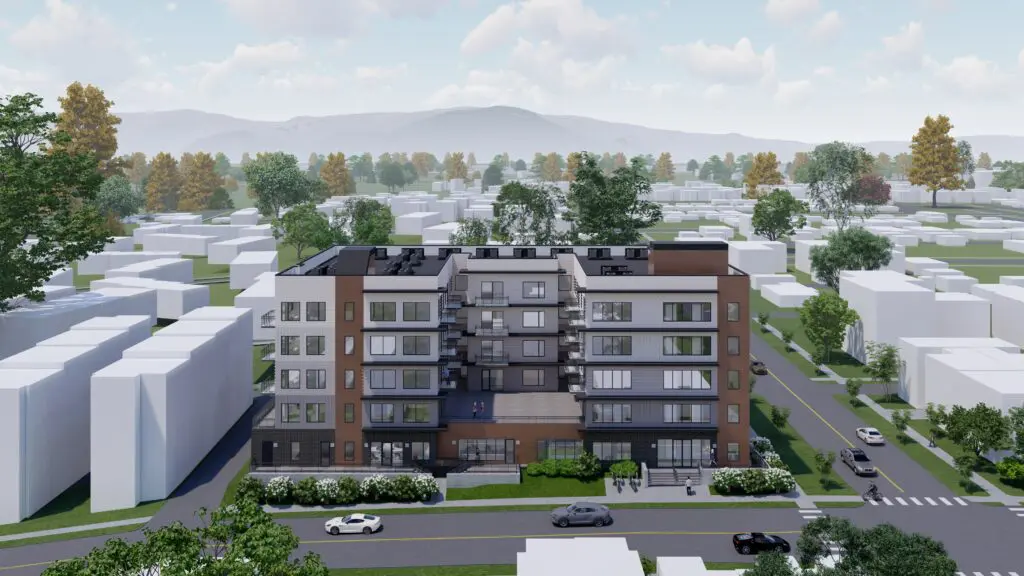
In the world of multi-family development, the stakes are unique. You aren’t just building a structure; you are creating a localized ecosystem where dozens—or hundreds—of lives will intersect daily. Whether you are eyeing a mid-rise in Denver, a luxury complex in Florida, or a modern urban dwelling in Vancouver, the architecture must do more than just house people. It must inspire them.
As you move from the “vision” phase to the “development” phase, choosing an architectural firm is the most critical decision you’ll make. Here is how to find a partner that balances creative inspiration with commercial viability.
1. Look for “Human-Centric” Design Inspiration
When reviewing a firm’s portfolio, look beyond the facade. Modern multi-family design is shifting away from the “apartment block” mentality and toward natural flow and connectivity.
Ask yourself:
- Does the design breathe? Look for the integration of green spaces, shared courtyards, and communal rooftops. These aren’t just amenities; they are essential for tenant retention and mental well-being.
- Is there a focus on light? High-density living can often feel claustrophobic. Great architects use creative window placement and atrium designs to pull natural light deep into the interior of the building.
- How does it interact with the street? The best multi-family builds feel like a natural extension of the neighborhood, not a fortress dropped into the middle of it.
2. Prioritize “Form Meets Function” Expertise
In the hospitality and multi-family sectors, every square foot must perform. A firm that prioritizes “form” without “function” will leave you with a beautiful building that is a nightmare to maintain or navigate.
The ideal firm understands the operational flow: how move-in days will work, how trash is managed, and how the lobby serves as both a security checkpoint and a social hub. This technical foresight is what prevents costly retrofits three years down the line.
3. The “Red Tape” Navigator
Multi-family projects are magnets for regulatory scrutiny. When selecting a firm, prioritize one that views zoning and legal coordination as part of the creative process, not an obstacle to it.
Whether it’s navigating the specific density requirements of Arizona or the complex environmental codes of British Columbia, your architect should act as your lead strategist. They should be able to tell you exactly how to maximize your unit count while staying within the legal parameters of the site.
4. Geographic Flexibility & Local Insight
While you might be building in a specific city, your architect doesn’t necessarily need to be next door—but they do need to be adaptable.
A firm with experience across diverse climates (from the humidity of the South to the seasonal shifts of the Pacific Northwest) brings a broader “toolbox” of solutions. They can apply a cooling strategy used in Phoenix to a project in a warming northern climate, giving you a competitive edge in sustainability and comfort.
5. Beyond the Blueprint: Construction Coordination
The most common point of failure in multi-family builds is the “handoff” between the architect and the contractor. To protect your investment, look for a firm that offers construction coordination and procurement assistance.
Having your architect involved during the build ensures that the “inspiration” you fell in love with during the schematic phase actually makes it into the finished product. They serve as your eyes and ears on-site, ensuring that material substitutions don’t dilute the quality of the project.
Your multi-family project is a legacy piece. When choosing a firm, look for a partner that treats your budget with the respect of a developer and your design with the passion of an artist.
Ready to start the conversation? Our team blends decades of large-scale industry experience with a boutique, personalized approach to ensure your next build is as functional as it is breathtaking.